Elena Long · 14 September 2026
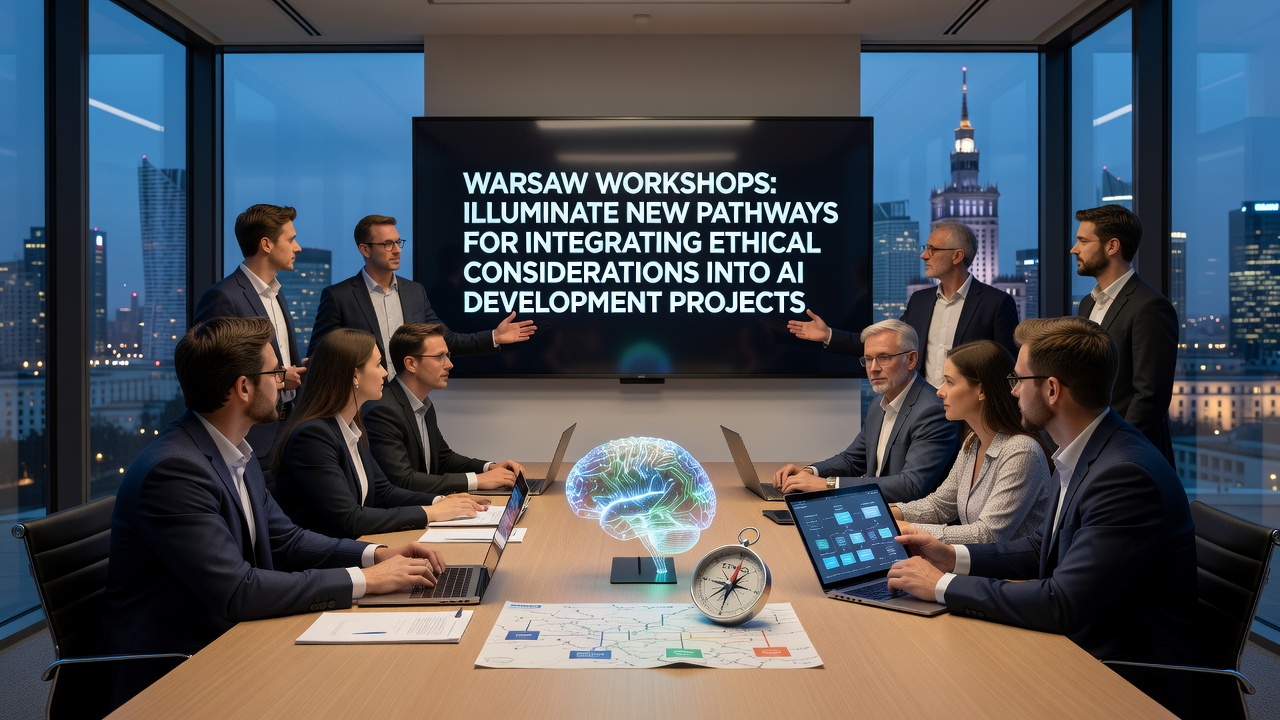
Warsaw Workshops Illuminate New Pathways for Integrating Ethical Considerations into AI Development Projects
Workshops held in Warsaw during September 2026 brought together researchers, developers, and policymakers to examine practical methods for embedding ethical considerations directly into AI development projects, and these sessions highlighted frameworks that address bias detection, transparency requirements, and accountability measures throughout the project lifecycle. Organizers structured the events around interactive sessions where teams worked through case examples drawn from European industry applications, and participants reviewed data from recent implementations that showed how early integration of ethical reviews reduced downstream compliance issues by measurable percentages according to reports from the European Commission.
Context for the Warsaw Events
European institutions have expanded efforts to align AI projects with established ethical guidelines since the adoption of the EU AI Act, and the Warsaw workshops built on those foundations by focusing on hands-on application rather than high-level policy discussion. Attendees included representatives from academic centers across Poland and neighboring countries, while industry partners contributed examples of ongoing projects in healthcare diagnostics and automated decision systems. Data from similar prior gatherings indicated that structured workshops increase the adoption rate of ethical review protocols, and organizers incorporated those findings into the September 2026 agenda.
Core Topics Explored
Facilitators guided groups through exercises that mapped ethical checkpoints onto standard development phases such as requirements gathering, model training, and deployment testing. One session demonstrated tools for auditing training datasets for representational imbalances, and another explored documentation practices that support external audits. Researchers presented findings from controlled studies where teams applied these methods, and the results showed consistent improvements in identifying potential harms before product release. Participants also examined cross-border regulatory differences, noting that alignment with multiple jurisdictions requires modular documentation approaches that adapt to varying transparency standards.

Case studies featured projects that incorporated stakeholder feedback loops at multiple stages, and these examples illustrated how continuous input from affected communities can refine system objectives. Developers shared workflows that integrated impact assessments into sprint planning cycles, and the sessions emphasized metrics that track fairness indicators alongside performance benchmarks. Observers noted that combining quantitative fairness measures with qualitative review processes produced more robust outcomes in the documented trials.
Practical Frameworks Introduced
Speakers outlined pathways that connect existing risk management tools to ethical evaluation steps, and one approach linked the European approach to artificial intelligence with operational checklists used in software engineering. Another framework drew from the NIST AI Risk Management Framework to provide adaptable templates for bias testing and mitigation planning. Teams practiced applying these templates to hypothetical scenarios involving recommendation algorithms and predictive maintenance systems, and feedback indicated clearer pathways for scaling ethical reviews across project teams.
Outcomes and Next Steps
By the close of the workshops, organizers compiled shared resources that include templates for ethical impact documentation and lists of open-source auditing tools verified through community testing. Follow-up activities scheduled for later in 2026 will track how participating organizations implement the introduced methods, and preliminary plans call for regional replication of the format in additional cities. Reports compiled after the event recorded attendance figures and topic coverage that align with broader trends in responsible AI adoption across the continent.
Conclusion
The September 2026 Warsaw workshops supplied concrete methods for integrating ethical considerations into AI development projects by combining regulatory context, technical exercises, and cross-sector examples. Participants left with adaptable frameworks that connect established guidelines from multiple regions to daily project practices, and the documented approaches offer pathways that teams can apply across varying scales and domains. Ongoing tracking of implementation results will provide further data on the effectiveness of these integration strategies in real-world settings.